Take Your Attention Back Reclaiming Your Spiritual Focus

There are people who have not been in your home for years, yet they still live in your morning thoughts. There are situations that ended long ago, yet they still shape how you answer a message, trust a new person, spend your energy, or prepare for disappointment.
This is what makes attention so sacred.
Your attention is not a small thing. It is one of the ways your spirit participates with life. Whatever receives your repeated focus begins to feel close, even if it is physically far away. A person can be gone, blocked, moved on, or silent, while still taking up space in your emotions, conversations, dreams, prayers, fears, and decisions.
Taking your attention back is a spiritual act. It is a return to the center. It is the moment you stop feeding what you have already outgrown.

Your attention keeps old attachments alive
Attachment is not always about physical presence. Sometimes the strongest attachments remain after the person leaves, the job ends, the friendship breaks, or the door closes.
A person may no longer call you, but you still check to see if they posted. A painful conversation may be over, but you replay it every night and imagine what you should have said. A relationship may have ended, but you keep looking for signs that they will return. A disappointment may be years old, but it still tells you to be guarded with people who never hurt you.
This is how attention becomes a hidden cord.
It can show up as:
Constantly checking on someone, even when no good comes from knowing
Replaying old conversations and trying to rewrite them in your mind
Imagining different outcomes until the past feels unfinished
Looking for signs, omens, or messages that someone will come back
Repeatedly talking about the same wound with no movement toward healing
Watching someone’s social media and calling it curiosity
Allowing an old disappointment to influence new relationships
Making choices based on something that happened long ago
None of this means you are weak. It means your spirit is still participating somewhere your body has already left.
To take your attention back is to notice where your life force is leaking. It asks a direct question: What am I still feeding with my focus?
What you feed with focus becomes part of your inner world
Attention is spiritual nourishment. It gives weight, shape, and energy to whatever receives it.
If you spend every morning checking whether someone viewed your story, your nervous system begins the day in a state of waiting. If you keep telling the same painful story, your body may start responding as if the wound is happening again. If you keep preparing for betrayal because one person betrayed you, you may treat innocent people like threats.
Your attention tells your inner world what still matters.
This does not mean every thought creates reality in a simple or magical way. Life is more complex than that. Painful memories arise. Grief comes in waves. The mind returns to unresolved things because it wants completion, safety, or meaning.
Still, there is a difference between a thought passing through you and a thought being invited to stay.
You cannot always control the first memory that appears. You can choose what you do next. You can breathe. You can pray. You can redirect your body. You can refuse to search, text, argue, stalk, explain, or feed the old pattern.
That choice matters.
Spiritual focus is built through repetition. So is attachment. Every time you reopen the same wound without bringing wisdom to it, you deepen the groove. Every time you pause and choose your peace, you create a new path.
Taking your attention back is not suppression
Taking your attention back does not require pretending you do not care. It does not ask you to become cold, numb, or false.
There is a tender difference between denial and devotion to your healing.
Suppression says, “I must not feel this.”
Reclaiming says, “I feel this, but I will not keep building my life around it.”
Suppression pushes pain into the dark and hopes it disappears. Reclaiming brings awareness to pain, listens for what it needs, and then chooses not to turn it into a shrine.
You can miss someone and still stop checking on them. You can love someone and still stop giving them daily access to your mind. You can feel grief and still decide that grief will not direct every choice you make. You can acknowledge fear and still refuse to let fear become your spiritual authority.
This is the heart of Take Your Attention Back Reclaiming Your Spiritual Focus. It is not emotional erasure. It is spiritual leadership.
You begin to ask:
Does this thought need care, or does it want control?
Is this conversation healing me, or keeping me attached?
Am I seeking clarity, or am I reopening the door?
Does this choice belong to my present, or to my wound?
These questions bring your attention back into your own hands.

Detachment and indifference are not the same
Many people resist detachment because they confuse it with not caring. They imagine detachment as a locked heart. They think peace means they must stop loving, stop remembering, or stop feeling.
Detachment is not indifference.
Indifference says, “This means nothing to me.”
Detachment says, “This may still matter, but it can no longer consume me.”
Indifference closes the heart. Detachment frees the heart from possession. It allows love without obsession, memory without imprisonment, and compassion without self-abandonment.
You can care deeply about someone’s well-being and still stop monitoring their life. You can bless someone from afar and still refuse to let their choices decide your mood. You can honor what a season taught you and still release the need to keep visiting it.
Detachment does not remove meaning. It restores proportion.
When attention is attached, one person can become the center of your spiritual weather. Their silence becomes a storm. Their post becomes a sign. Their absence becomes a verdict. Their return becomes a fantasy that delays your own becoming.
When attention is reclaimed, your center returns to the Divine, to your breath, to your path, to your present life. You still feel, but you are no longer ruled by what you feel.
That is not coldness. That is maturity of spirit.
Spiritual practices that help redirect attention
Attention changes when the body, mind, and spirit are given somewhere new to land. Thought alone is rarely enough. The old pull may be strong, so give yourself practices that are strong enough to meet it.
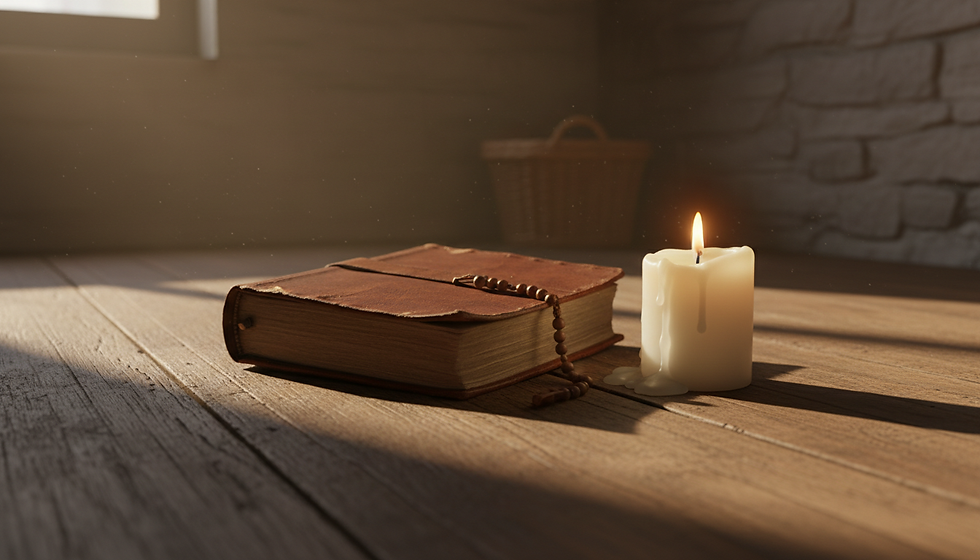
Candle work
Light a candle with a clear intention, such as, “May my attention return to what nourishes my spirit.”
Sit with the flame for a few minutes. Each time the mind goes to the person, fear, memory, or situation, gently bring your gaze back to the light. Do this without scolding yourself. The practice is the return.
The candle becomes a visible reminder that your focus can be guided.
Prayer
Prayer brings attention into relationship with the sacred. It does not have to be long or formal.
You might pray:
“Spirit, help me notice where I keep abandoning myself. Call my attention back from what no longer holds my future. Teach me to care without clinging and release without bitterness.”
Prayer softens the inner grip. It reminds you that you do not have to heal by force.
Meditation
Meditation trains the mind to witness without obeying every thought. Sit quietly and follow your breath. When a memory arises, name it simply: “remembering,” “wanting,” “fearing,” or “planning.”
Then return to the breath.
This practice teaches you that thoughts can appear without becoming instructions.
Cleansing
Cleansing can be spiritual and practical. Open a window. Wash your hands slowly. Take a salt bath if that aligns with your practice. Clean the room where you cried, waited, argued, or checked your phone for hours.
As you cleanse, speak clearly: “I release what does not belong in this space anymore.”
The body understands ritual. The home does too.
Time in nature
Nature helps attention return to what is real and alive. Walk without headphones. Notice the ground, sky, wind, birds, trees, sunlight, or rain. Let the natural world interrupt the loop in your mind.
Old attachments often pull you into imagined scenes. Nature brings you back to direct experience.
Intentional silence
Silence is powerful because it reveals where your attention runs when nothing distracts it. Choose a short period, even ten minutes, with no music, phone, conversation, or input.
At first, silence may feel loud. Stay with it. This is where you begin to see what has been steering you.
Boundaries around people and information
Some spiritual lessons require practical boundaries. If a certain friend always brings up the old situation, tell them you are no longer discussing it. If checking a page pulls you backward, block, mute, unfollow, or remove the app for a while. If a place keeps reopening the wound, limit your exposure until you feel steady.
Boundaries are not punishments. They are containers for healing.

Real-world action seals the spiritual decision
A ritual can open the door, but your choices must walk through it.
If you pray for release and then keep checking the same page, you strengthen the attachment. If you meditate for peace and then reopen the same argument, you feed the old cord. If you say you are ready for new love while measuring everyone against an old betrayal, the past remains in charge.
Redirecting attention requires honest action.
That might mean:
Stop searching for updates about the person
End conversations that keep the wound active
Remove reminders that trigger obsession rather than healing
Change routines that keep you circling the same emotional place
Refuse to interpret every coincidence as a sign
Give new people a fair chance to be themselves
Make decisions based on your current wisdom, not past fear
This is where spirituality becomes embodied. Peace is not only something you feel during prayer. Peace is something you protect at 11:30 p.m. when the urge to check comes back. Peace is something you choose when someone asks, “Have you heard from them?” Peace is something you practice when fear says, “This will happen again.”
The soul needs devotion, but it also needs discipline.
A ritual to reclaim your personal attention
This ritual is designed to gather your scattered focus back into your own spiritual center. It does not use journaling or paper burning. It works with light, water, breath, sound, and embodied choice.
You will need:
One white candle
A bowl of clean water
A pinch of salt
A small stone, shell, or meaningful object that fits in your hand
A quiet space
Optional incense, herbs, or cleansing smoke if that fits your tradition
Prepare the space
Clean the surface where you will work. Place the bowl of water in front of you. Add the pinch of salt. Set the candle behind the bowl, so the light reflects on the water.
Hold the stone or object in both hands. Let it represent your attention, not the person or situation. This matters. The ritual is centered on reclaiming yourself.
Name what has been pulling you
Speak out loud, gently and honestly.
Say, “My attention has been going to…”
Name the pattern, not only the person. For example:
“checking for signs”
“replaying the conversation”
“waiting for an apology”
“fearing the same pain will happen again”
“trying to control what has already passed”
Do not rush. Let the truth be simple.
Call your attention back
Light the candle. Look at the flame and say:
“I call my attention back from every place it has been held without wisdom, love, or purpose. I call my mind back. I call my heart back. I call my spirit back. What belongs to me returns to me cleansed, steady, and whole.”
Dip your fingers into the salt water. Touch your forehead, your heart, and your palms.
At the forehead, say, “My thoughts return to clarity.”
At the heart, say, “My emotions return to peace.”
At the palms, say, “My choices return to my own path.”
Use sound to mark the shift
Hum, ring a bell, clap once, or speak a clear “Amen,” “So it is,” or another closing phrase from your tradition. Sound helps the body recognize that something has changed.
Sit quietly until the candle has burned for a safe amount of time. Do not leave it unattended. When you are ready, pour the water outside at the base of a tree or into the earth if possible. If not, pour it down the sink with gratitude.
Carry the stone with you for the next seven days. When the urge to check, replay, or reopen appears, hold it and say, “I choose where my attention lives.”

Make room for new experiences
The old pattern may not disappear in one day. Some attachments loosen slowly. Be patient, but do not confuse patience with permission to keep feeding what drains you.
Every time you take your attention back, you create space.
Space for new conversations that are not filtered through old pain. Space for love that does not have to compete with a ghost. Space for rest. Space for creativity. Space for prayer that is not only about one wound. Space for joy that does not need someone else’s return before it can begin.
Your attention is a doorway. When it stays fixed on what has ended, very little can enter. When it returns to the present, life can meet you again.
There may always be people and memories that matter. Let them matter without making them masters. Let the past teach you without letting it govern you. Let your heart stay soft without leaving it unguarded.
The next time your mind reaches backward, pause before you follow it. Breathe. Place a hand on your heart. Ask whether this deserves your participation today.
Then choose.
Take your attention back, not because nothing mattered, but because your spirit still does.


Comments